english
Teachers matter !
 It ain’t what you do. It’s the way that you do it. That’s what gets results.

Learning Teaching


Never Have I ever…
3 points for me : skydiving ,sung karaoke ,been on TV 📺 !!
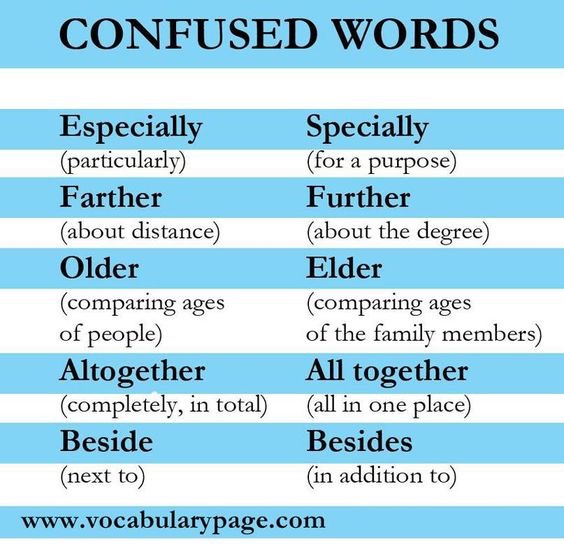
Common Mistake of the day


Phrasal Verbs of the day
COLLOCATIONS. Learn phrasal verbs with nouns that go with them. È sempre piu sempilce imparare phrasal verbs quandary vengono spiegati in un contesto.
Ma cosa sono esattamente i Phrasal Verbs ? Verbs that consist of a verb and a particle. Particles are small words which you already know as prepositions or adverbs. Some of the most common : ABOUT (A)ROUND AT. AWAY BACK. DOWN FOR IN INTO OFF ON OUT OVER THROUGH TO UP
STAY TUNED FOR MORE


Idiom of the Day ” Under the weather”
How do you feel today ? A bit under the weather …
under the weather
1. Mildly ill. “Yeah, I was under the weather last week, but I’m feeling much better now.”
2. Drunk. “Do you remember last night at the bar at all? You were really under the weather!”
3. Suffering from a hangover. “We were out celebrating Valerie’s birthday last night—that’s why we’re all under theweather today.”

Urban dictionary Word of the day
deffoˈdɛfəʊ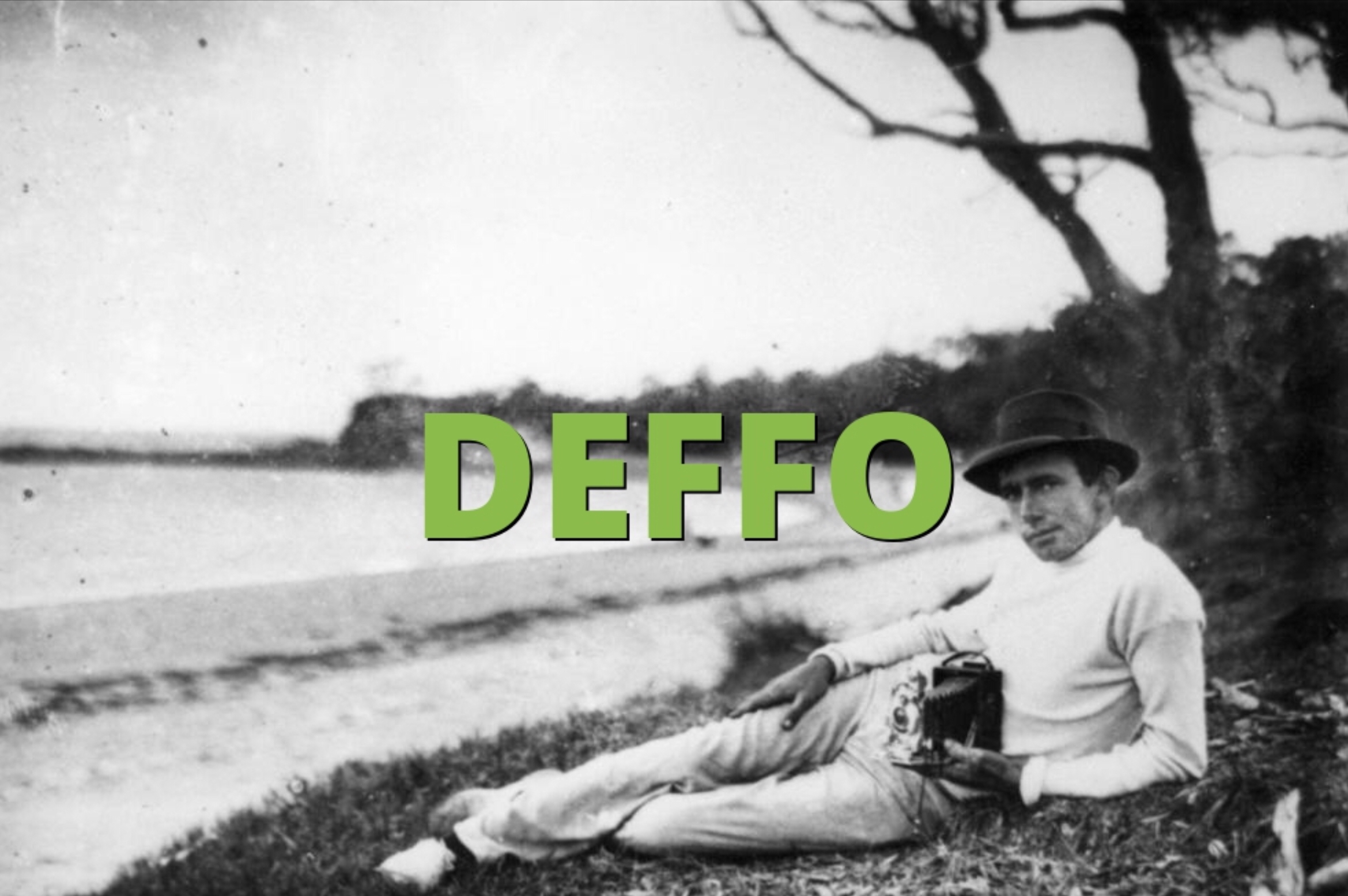
adverb informal
definitely; certainly.
“Tyler is by far the best—he should deffo win”
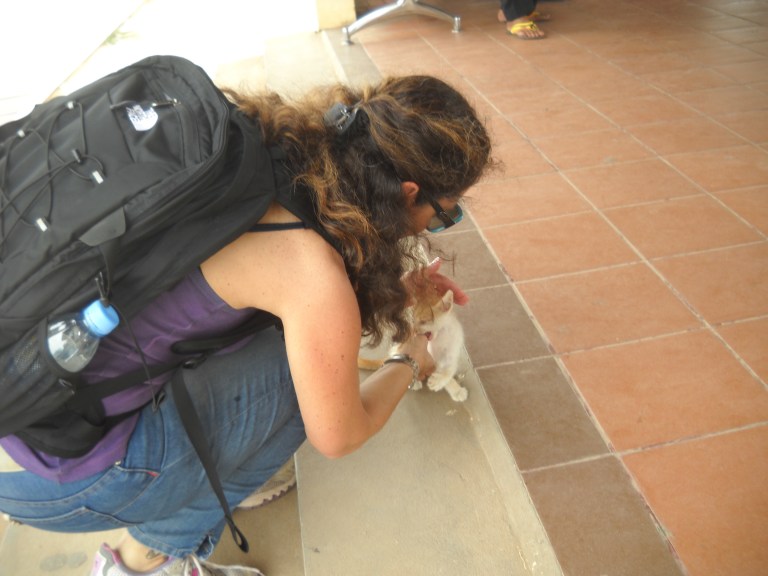
Lo Zaino
RucksackA rucksack is another name for a backpack. “Ruck” comes from the German word Rücken (back) and Sack means either “bag” or, as you probably guessed, “sack.”
Example:  Alan is going to travel to Europe this summer, but he’s planning on only taking one rucksack. He’ll have to pack carefully if he wants everything to fit!

Shampoo
E lo sapevate che la parola “shampoo” ha origini indiane?
Definition: to wash (as the hair) with soap and water or with a special preparation
The word shampoo had a markedly different meaning when it first entered the English language in the middle of the 18th century. It comes from the Hindi and Urdu cā̃po, which is the imperative of cā̃pnā (“to press, massage”), and in its earliest use retained the meaning of “massage.” The sense of shampoo meaning “to wash the hair of” did not enter common use until the middle of the 19th century.
Shampooing is an operation not known in Europe, and is peculiar to the Chinese, which I had once the curiosity to go through, and for which I paid but a trifle.
—Charles Frederick Noble, A Voyage to the East Indies, 1765
 Pet Your English